Babbel Review
Welcome to our honest Babbel review. Babbel is one of the best-known paid language learning apps in the world, built around structured lessons, clear grammar and real-life dialogues. But is it the right language app for you — and how does it stack up against Duolingo, Rosetta Stone and Pimsleur? After real time with the Babbel app, here's exactly what it does well, where it falls short, and who should use Babbel versus something else.
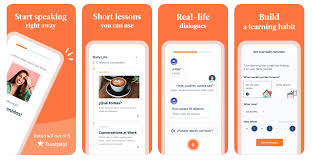
What is Babbel and how does it work?
Babbel is a subscription-based language learning app that teaches through short, structured lessons — usually 10 to 15 minutes each. Where some apps throw you into guessing, Babbel explains the grammar behind what you're learning, then drills it with dialogues modelled on real conversations. It uses spaced repetition to resurface vocabulary right before you'd forget it, which helps the words stick. For a beginner, the result is a clear, confidence-building path: you learn a rule, see it used, and practise it in context.
Babbel covers around 14 mostly European languages. If you want to learn Spanish, French, German or Italian, you're in the sweet spot. The lessons are designed by linguists for each specific language pair, so the content feels tailored rather than machine-translated — a genuine strength of the platform.
Don't just memorise words — understand how the language works, then use it in real conversations.
Babbel pros and cons
Here's the honest balance sheet after using the app across more than one language.
What Babbel does well
- Excellent structured grammar — explained clearly, not guessed
- Real-life dialogues you'll actually use in conversation
- Short 10–15 minute lessons that fit a busy day
- Affordable subscription, cheaper than most tutors
- Practical dialogues and native-speaker audio
Where Babbel falls short
- Only ~14 languages — no Japanese, Korean or Arabic
- Lighter on speak-out-loud practice than Pimsleur
- Speech recognition is basic compared to audio-first apps
- Subscription model — no true one-time lifetime for most
- Babbel Live is no longer available to individual learners
How much does Babbel cost?
Babbel runs on a subscription, and the price drops sharply the longer you commit — $8.97 a month on the twelve-month plan ($107.64 for the year) against $15.25 a month on the three-month plan, plus a one-time $299 lifetime option. A subscription covers all of Babbel's languages, not just one (full pricing breakdown). There's no permanent free tier, though Babbel regularly offers a free first lesson, discounts and money-back guarantees. Compared with a private tutor it's inexpensive, and compared with free apps like Duolingo it's a step up in structure and depth for a modest cost.
Is Babbel Live still available?
No, not for individual learners. Babbel discontinued its consumer live classes after 30 June 2025. Teacher-led classes remain available through Babbel for Business, but they are not part of a normal individual subscription. If real conversation is your priority, budget for a separate tutor or conversation partner alongside the app.
Babbel vs Duolingo
This is the comparison most people make first. Duolingo is free, gamified and brilliant for building a daily habit and broad vocabulary — but it's light on real grammar explanation and conversation. Babbel costs money but treats you like an adult learner: it explains why the language works the way it does and gets you into practical dialogue faster. If you want a free game-like streak, choose Duolingo; if you want structured progress toward actually using the language, Babbel is the stronger language learning app. Plenty of people use both.
Babbel vs Pimsleur: which gets you speaking?
Here's where it matters most. Babbel teaches you about the language; Pimsleur trains you to speak it. Pimsleur's audio-first method makes you produce the language out loud from the first lesson, building pronunciation and recall in a way that screen-tapping can't match. If your number-one goal is to speak and understand a new language confidently and hands-free — on a commute, at the gym — Pimsleur is the better fit, and you can test it free for 7 days.
Try Pimsleur free — built for speaking →
It's not strictly either/or. A powerful setup is Pimsleur for speaking plus Babbel for grammar and reading. For the full head-to-head, see our Pimsleur vs Babbel comparison, and if you're weighing the audio method, read whether Pimsleur is worth it.
Babbel vs Rosetta Stone
Both are paid, structured apps, but they teach differently. Rosetta Stone uses full immersion — no translations, images and target-language only — which builds intuition but can frustrate adults who want a rule explained. Babbel does the opposite: it explains grammar in your own language and moves quickly into useful dialogue. For most adult beginners who want to understand why, Babbel feels more efficient; immersion fans may prefer Rosetta Stone. See our full Rosetta Stone review and the head-to-head Rosetta Stone vs Babbel for the detail.
Who is Babbel best for?
The clearest way to decide is to match Babbel to your situation:
| If… | Is Babbel a good fit? |
|---|---|
| You want to understand grammar | Yes — Babbel explains the rules clearly |
| You're learning a European language | Yes — Spanish, French, German, Italian shine |
| You want to speak fast and hands-free | No — Pimsleur is stronger for speaking |
| You need Japanese, Korean or Arabic | No — not in Babbel's catalogue |
| You like structure over gamification | Yes — more grown-up than Duolingo |
| You want a free app | No — try Duolingo first |
Does Babbel make you fluent?
Let's be honest about fluency. No app — not Babbel, not any language app — makes you fluent on its own. What Babbel does well is carry a motivated beginner from zero to a solid conversational level, with the grammar foundation to keep improving. To reach true fluency you'll need to add real conversation, listening to native content, and ideally some speaking practice. Used as the structured core of a wider routine, Babbel earns its place — just don't expect the marketing promise of effortless fluency from any single tool.
Babbel for Spanish and which languages it covers
If you're wanting to learn Spanish, Babbel Spanish is one of its strongest courses, and our wider Babbel Spanish review take is positive: the dialogues are practical and the grammar notes are genuinely useful for a language learner. You can use Babbel to learn the major languages most English speakers want — the following languages are all well supported: Spanish, French, German, Italian, Portuguese and a handful more. Languages like Spanish and French get the deepest content; some smaller languages are thinner.
What Babbel offers is consistency across these courses: pick a different language and the structure feels the same, which makes switching to another language painless if you study multiple languages over time. The catch, again, is breadth — if your target isn't among the roughly 14 European-focused options, a service like Babbel won't have it, and you'll need a broader app, so be sure to check the current list before subscribing.
How well does Babbel work, really?
After steady use, here's what I think of Babbel: it works best for reading, grammar and listening comprehension, carrying a committed learner from absolute beginner to a comfortable intermediate level. The short review sessions reinforce what you've learned, and that spaced practice is where Babbel can help most. Whether Babbel gets you all the way depends on your goal — for understanding and comprehension it's excellent; for spontaneous speaking it's only okay, and that's the honest answer to how Babbel works.
If I had to sum up the pros and cons of Babbel in one line: it's one of the better apps like Babbel for structured learning a new language, and a subscription to Babbel is fair value for what you get. I'd say that Babbel is a smart core for learning languages and a sensible way to learn a language from scratch, especially if you're starting with Babbel as your first serious tool. Just pair it with real speaking practice — the one area where even the best language course needs a human or an audio-first method to finish the job.
My verdict on Babbel
If you have already read enough about how the lessons work and just want the spending decision, our focused is Babbel worth it verdict covers which plan to buy, the loss of Babbel Live for individuals, and who should skip it.
So, do I recommend Babbel? For the right learner, yes. If you want to learn Spanish or another European language with proper structure, clear grammar and practical dialogue — and you don't mind a subscription — Babbel is one of the best apps for the job, and many people like Babbel precisely because it respects how adults learn. I'd steer you elsewhere if you need a non-European language, want a free app, or your main goal is fast hands-free speaking.
Start speaking — try Pimsleur free →
Frequently asked questions
Is Babbel worth it?
For learning a European language with a focus on grammar and practical dialogues, Babbel is worth it — it's affordable, well-structured and gets beginners to conversational level efficiently. It's less worth it if you want hands-free speaking practice (Pimsleur is better) or a free app (Duolingo).
How much does Babbel cost?
As of July 2026 Babbel costs $8.97 a month on the twelve-month plan ($107.64 billed for the year) or $15.25 a month on the three-month plan, with a one-time $299 lifetime option; a subscription covers all its languages. There's no permanent free tier, though discounts and trials appear regularly.
Is Babbel Live still available?
Not for individual learners. Babbel discontinued its consumer live classes after 30 June 2025. Teacher-led classes remain available through Babbel for Business, but individual subscribers who want live conversation need a separate tutor or conversation service.
Babbel vs Duolingo — which is better?
Duolingo is free, gamified and great for a daily habit and vocabulary; Babbel costs money but teaches grammar and real conversation more seriously. Beginners who want structure usually prefer Babbel; those who want a free, game-like streak prefer Duolingo. Many learners use both.
Babbel vs Pimsleur — which should I choose?
Choose Babbel for grammar, reading and structured lessons; choose Pimsleur if your priority is to speak and pronounce a language confidently, hands-free. They solve different problems — Babbel teaches you about the language, Pimsleur trains you to speak it. For speaking, Pimsleur wins.
Does Babbel make you fluent?
Babbel can take you from beginner to a solid conversational level, but no app makes you fully fluent alone. Use Babbel to build grammar and vocabulary, then add real speaking practice and native content to push toward fluency.
Is there a free trial of Babbel?
Babbel regularly offers a free first lesson and time-limited trials or money-back guarantees rather than a permanent free tier. It's worth starting on a discounted longer plan once you know the method suits you.